

%201.png)

What Does Hail Damage Look Like on a Roof?

Summary: Possible hail damage can look like random dark or soft spots on asphalt shingles, missing granules, shiny exposed asphalt, or dents on nearby metal components. No single sign confirms roof hail damage from the ground. Do not climb onto a roof after a storm. Document what you can see safely, check for interior changes, and schedule an inspection if the roof has new marks or the storm was significant.
When a North Texas storm moves through, homeowners often look up at the roof and ask the same question: what does hail damage look like on a roof? The answer is not always obvious. Hail can leave a clear mark on some materials and a very subtle mark on others. Normal aging, heat, blistering, foot traffic, debris, and past repairs can look similar.
The National Weather Service Fort Worth/Dallas office publishes local warnings, hazards, and storm reports for North Texas. After a storm, it is useful to note the date and the area affected. That record can help when you compare what you see around the home with a later inspection. CLC Roofing helps Dallas-Fort Worth homeowners assess roof concerns after storms, but the first step is to know what is worth checking safely.
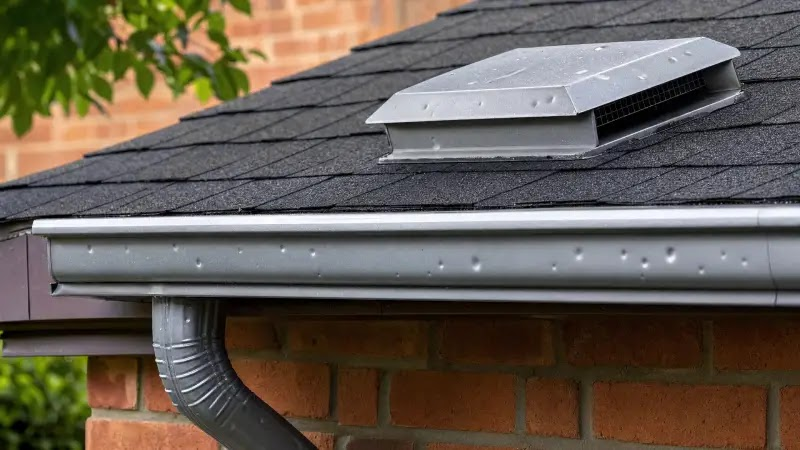
What does hail damage on a roof look like? On an asphalt roof, hail marks are often random. They don't follow a straight line, and they don't usually appear in the same pattern as regular shingle tabs. A real inspection looks at the location, number, texture, and distribution of marks, along with the roof age and the storm history.
Hail does not need to break a shingle in half to matter. It can bruise the asphalt layer, loosen granules, or create a soft spot that can be difficult to notice from the ground. On other parts of the property, it may dent soft metals such as gutters, vents, or downspouts. Nearby dents provide useful context, but they do not prove the roof itself has hail damage.
The Travelers guide to possible signs of hail damage describes several patterns that can appear on asphalt and composition shingles: random marks, black impact areas, granule loss, shiny exposed asphalt or mat, and soft spots that feel like an apple bruise. These are clues, not a homeowner diagnosis.
What does hail damage look like on shingles from the ground? You may notice a spot that looks darker than the shingles around it, a patch with fewer granules, or an area that does not match the surrounding weathering. You may also notice material in gutters after a severe storm. None of these signs should lead you onto the roof. Wet roofs, steep roofs, and damaged shingles can be slippery and unsafe.
Gutters, downspouts, roof vents, metal chimney caps, and some siding materials can show dents after hail. These locations are easier to inspect from the ground. A dented downspout can show the storm had enough force to mark a soft metal surface. It does not tell you whether the shingles have a covered loss or need replacement.
When people ask what hail damage looks like on siding, they usually want supporting evidence. Small round dents, chipped paint, or fresh marks may be visible on accessible surfaces. Similar marks can come from lawn equipment, branches, or older impacts. Take clear photos from the ground, but do not press on a roof vent, pull at a gutter, or use a ladder if conditions are unsafe.
Normal wear can look alarming after a storm because homeowners start looking more closely. As shingles age, they can crack, curl, blister, lose granules, or develop dark staining. A single stain or a few loose granules do not automatically point to hail.
Blistering may appear as small raised areas or spots where the surface has opened. Cracking can occur as shingles age or become brittle. Granule loss can happen gradually from weathering, during installation, or after physical damage. Wind damage may lift, crease, or tear shingles in ways that differ from an impact mark.
Pictures of wind damage to shingles can show possible patterns, but they do not show the roof’s full condition. Do not use an online photo as proof that your roof has the same issue.
The Travelers resource also lists common hail-damage look-alikes, including sun-related aging, blistering, cracking, granule loss, flaking, algae, manufacturing defects, and mechanical imperfections. A dark mark may come from a branch, a tool, or normal weathering. A close review is needed before anyone calls it storm damage.
That is also why a contractor should avoid deciding based on one shingle. An inspection should compare multiple roof areas and check accessible metal components, flashing, vents, gutters, attic signs, and the roof’s overall condition.
Document the storm date and review local weather notices. Then walk around the home in good daylight. Look for new dents on gutters or downspouts, displaced roof material on the ground, damaged screens, or marks on accessible siding. Check the attic and ceilings for new stains or damp spots.
Do not climb onto the roof to take pictures of roof hail damage. A ground-level record is enough to begin. If you have a new concern about the roof, schedule a professional roof inspection in Dallas. An inspection can determine whether the observed marks relate to hail, wind, age, installation, or another cause.
An inspection makes sense after a severe local storm, when nearby metal surfaces have fresh dents, when new interior stains appear, or when shingles look different from one roof slope to another. It also makes sense when an older roof has been through several storms, and you are unsure whether you need a repair or a replacement.
CLC Roofing can review storm damage roof repair concerns in Dallas and explain the condition found. If a repair is appropriate, the scope should identify the cause and the affected roof area. If the roof has broader damage or wear, a written plan can explain the options.
For homeowners searching for a roofing company in Coppell, TX, CLC Roofing can help document visible conditions and discuss next steps. You can also read CLC Roofing reviews on Google before scheduling an appointment.
Possible hail damage may include random dark spots, missing granules, shiny areas, or soft impact marks. An inspection should confirm the cause because normal wear can look similar.
Yes. Some hail-related marks are difficult to see from the ground. The damage may be subtle, and the roof may also have older wear.
Schedule an inspection after storm conditions that concern you, or after you notice new roof, gutter, vent, siding, or interior changes. Document the date and any accessible signs first.
No. Dents on gutters are supporting clues, not proof of shingle damage. The roof needs its own inspection.
Hail damage can leave random impact marks. Blistering is a surface condition that can form as a shingle ages or reacts to heat and material conditions. An inspector can compare the patterns across the roof.
A hail-damaged roof may have random shingle marks, displaced granules, soft spots, or related dents on nearby metal components. Many other conditions can look similar. Stay on the ground, document visible changes, and confirm the cause before making a repair or insurance decision. If you have concerns after a storm, request a free roof inspection from CLC Roofing.
Get a Free Roofing Estimate Today!
Why Choose Us Over Other Roofing Companies in Dallas
From repairs to complete roof replacements, gutters, and painting, at CLC Roofing provides expert solutions where other roofing companies fail to protect and beautify your homes roof. Count on our experienced roofers for high-quality service and craftsmanship tailored to your needs.
• 25+ Years of Experience in Dallas, TX
• Owens Corning Platinum Preferred Contractor (1% of Roofers)
• Expert Storm Damage & Hail Repair
• High-Quality Materials: Metal, Slate, Tile & Impact-Resistant Shingles
• A+ Rated & 300+ 5-Star Reviews
• Advanced Drone Inspections & Precision Estimates
.jpg)

Expertise and Experience
With over 25 years in the Dallas roofing industry, Chad Cross and his team bring unparalleled knowledge and skills to every roof replacement project. Our extensive experience includes sales, project management, and manufacturer representation, ensuring we handle all aspects of your roofing needs with precision.
Stylish Finishing Touches
Every detail is meticulously crafted, ensuring your roof is as functional as it is visually striking. We deliver a seamless blend of style and utility.
Premium Materials
We use only the finest materials to ensure lasting beauty and durability. Your roof will look stunning and perform flawlessly for years.
Owens Corning Platinum Preferred Contractor
As an Owens Corning Platinum Preferred Contractor, we meet the highest standards for professionalism, reliability, and craftsmanship. This elite status allows us to offer the Owens Corning™ System Advantage® Platinum Roofing Limited Warranty, providing you with the strongest coverage, including lifetime workmanship.
Great Reviews for CLC Roofing Inc.
When your project is complete, we hope you'll describe your experience with CLC Roofing in one word: EXCELLENT! Serving the entire DFW Metroplex, we invite you to contact our roofing company today for a free roof inspection—you’ll be glad you did


Best Dallas Roofing Contractors Serving Dallas-Fort Worth and Surrounding Areas
CLC Roofing Inc. is proud to provide top-tier roofing services across North Texas, including:

CLC Roofing Inc. – Your Local Roofing Contractor
As your local roofing experts, we’re committed to delivering reliable, high-quality roofing solutions that stand the test of time. With extensive experience and a passion for excellence, CLC Roofing Inc. is here to serve you and your community.
%201.svg)


